

Outdoor kitchen materials, compared
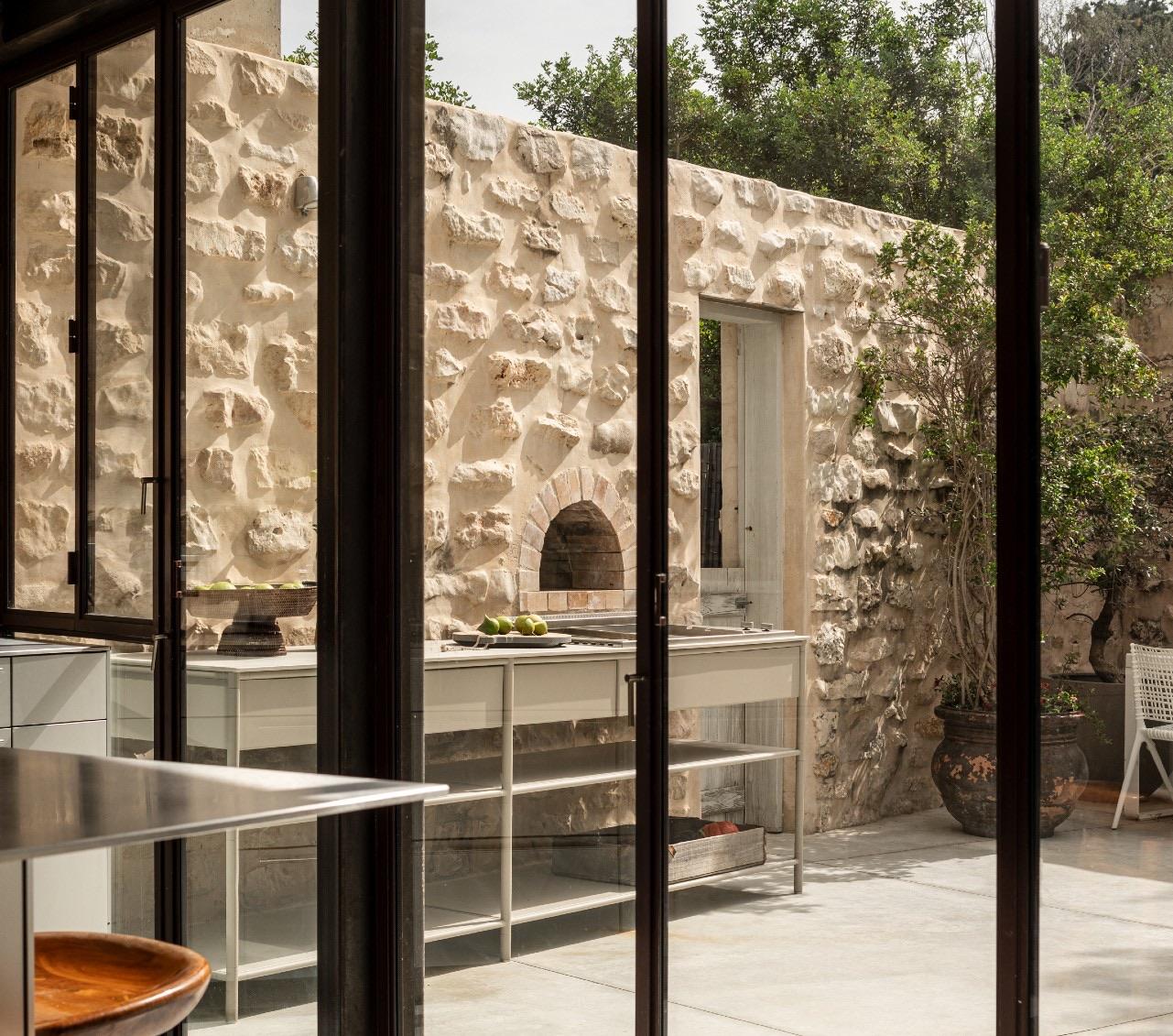
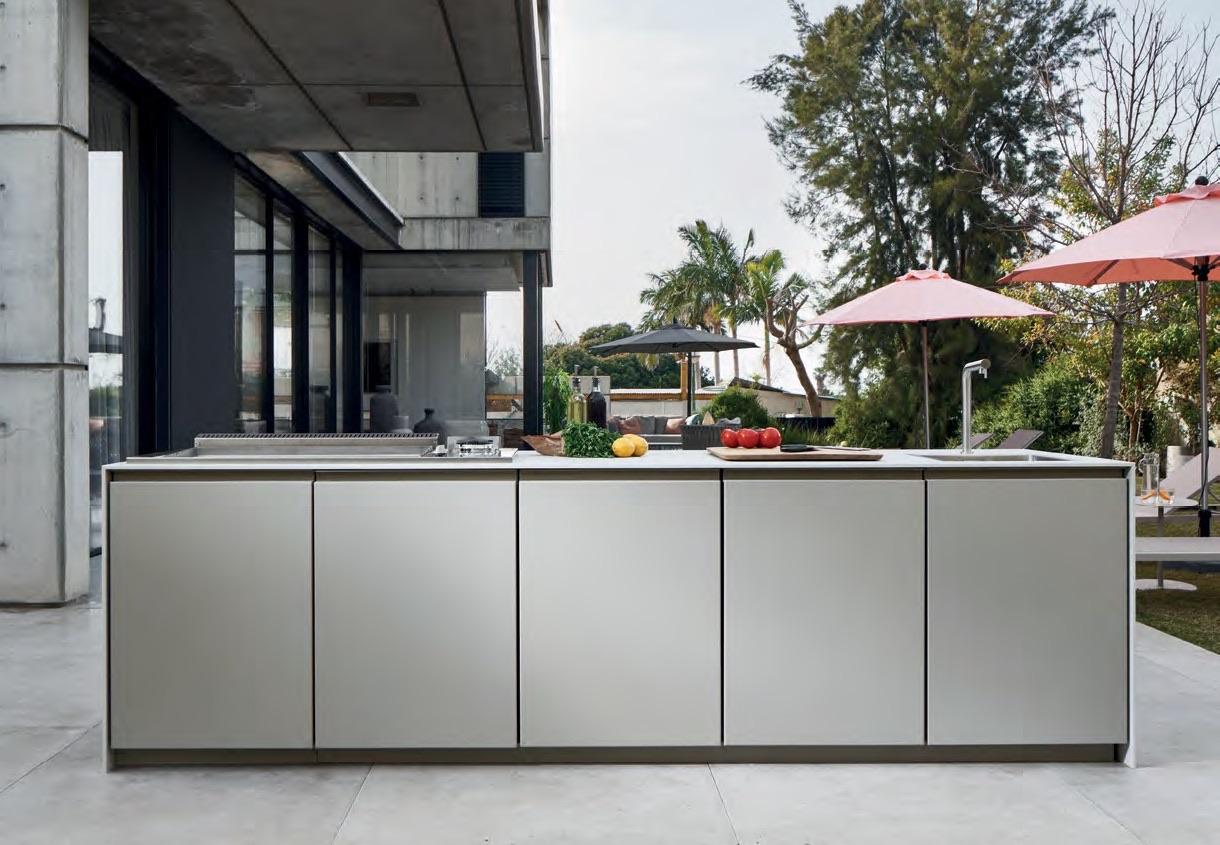
The material decides how an outdoor kitchen ages in Canada. Capo Cuòco builds cabinetry in marine-grade powder-coated aluminum with 316 stainless steel where corrosion is not an option — the specification that survives salt, UV and a hundred freeze-thaw cycles a year. Here is how the common approaches actually behave, compared honestly.
| Material | Canadian winter behaviour | Maintenance | Where it belongs |
|---|---|---|---|
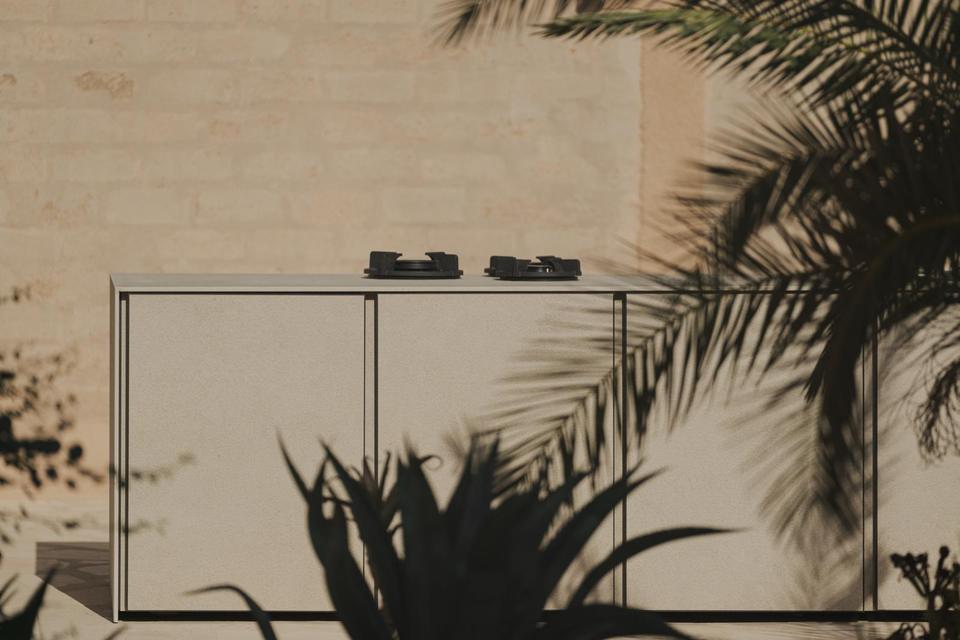
| Marine-grade powder-coated aluminum | Cannot rust; powder-coat seals against moisture, salt and UV; stable through freeze-thaw. | Wash with water and mild soap. | The body of every Capo Cuòco kitchen — UNICA and STRATO cabinetry. |
| 316 stainless steel | The marine grade — resists corrosion where standard 304 stainless can tea-stain near pools and salted walks. | Occasional polish keeps the grain bright. | Worktops, sinks, exposed hardware; powder-coated stainless frames the open CSL concept. |
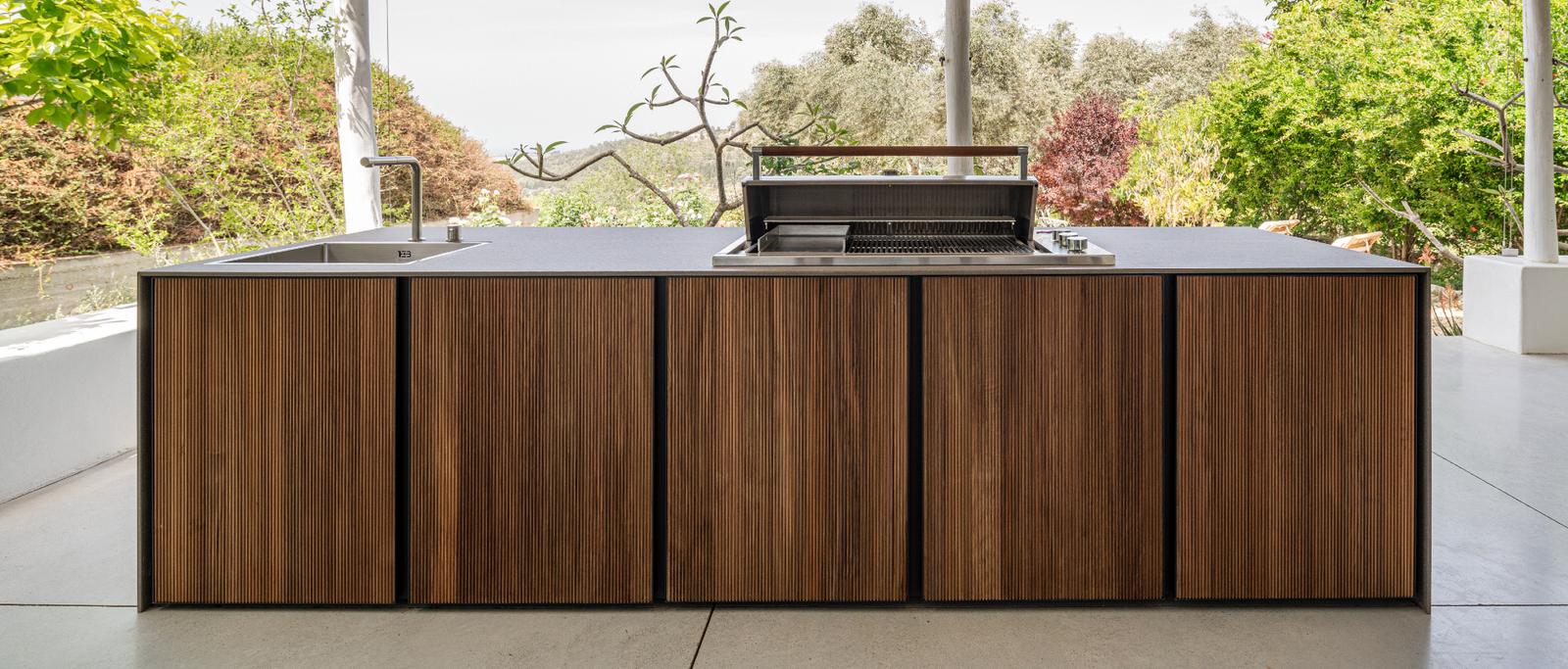
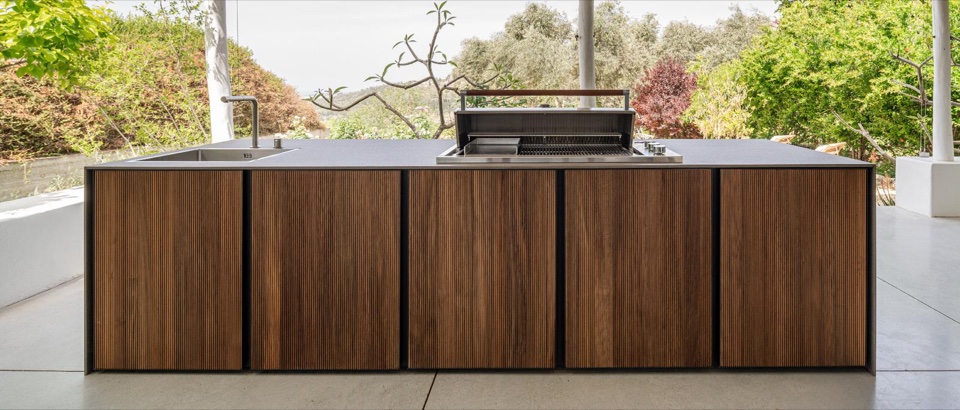
| Timber fronts | Natural movement with humidity; needs the right species and detailing to face weather. | Periodic oiling to hold tone. | As an accent — STRATO's timber-slat fronts pair wood warmth with an aluminum body doing the structural work. |
| PVC / HDPE cabinetry | Waterproof, but expands and contracts with temperature swings; UV can chalk and fade darker tones over the years. | Low. | Entry-level builds where budget leads and the plastic read is acceptable. |
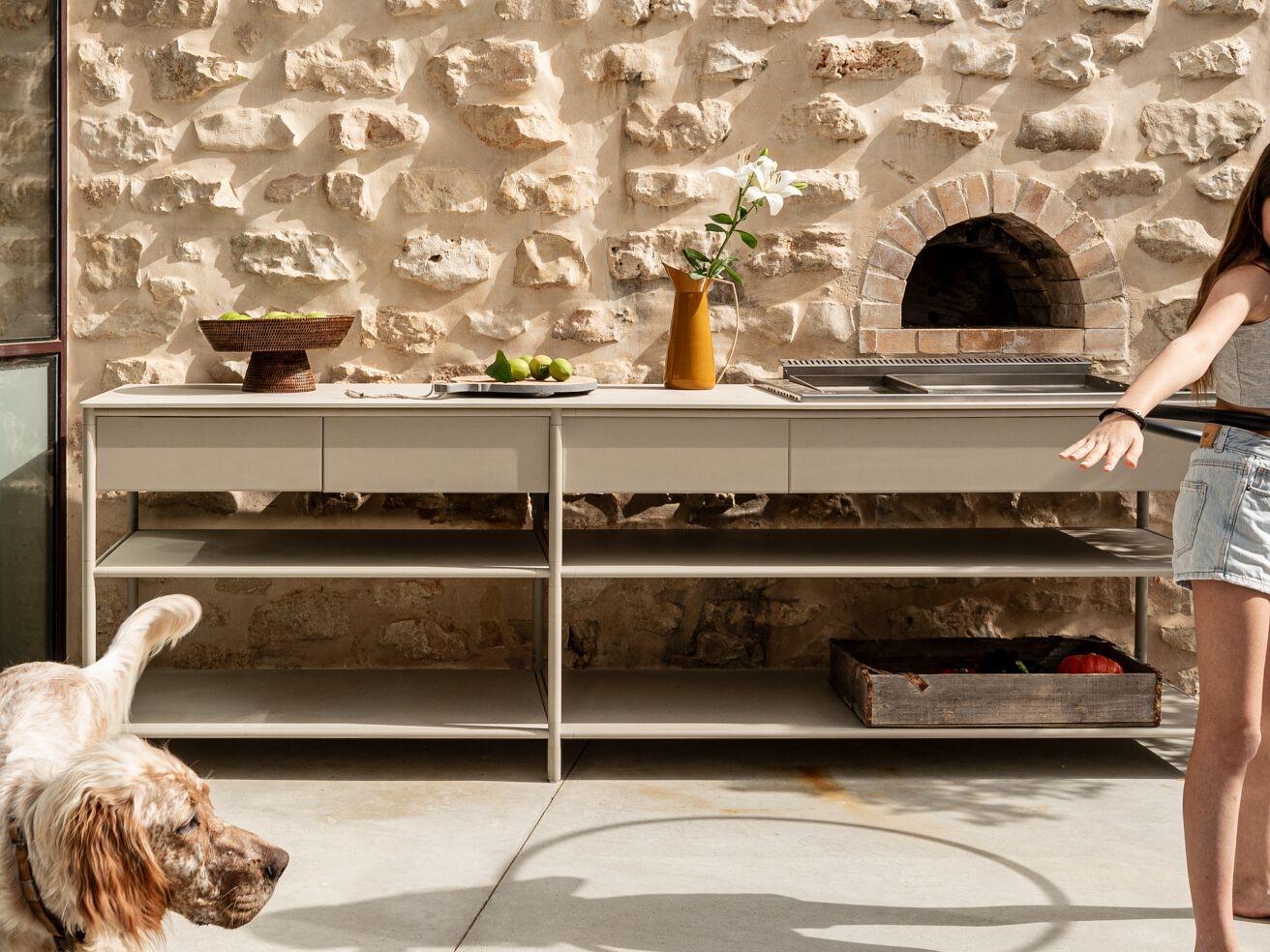
| Site-built masonry & stone | Permanent and massive, but freeze-thaw finds every detailing shortcut — hairline cracks and spalling are common repair items. | Sealing and periodic repointing. | Landscape architecture — walls, surrounds and hearths — more than precision cabinetry. |
Countertops for the outdoors
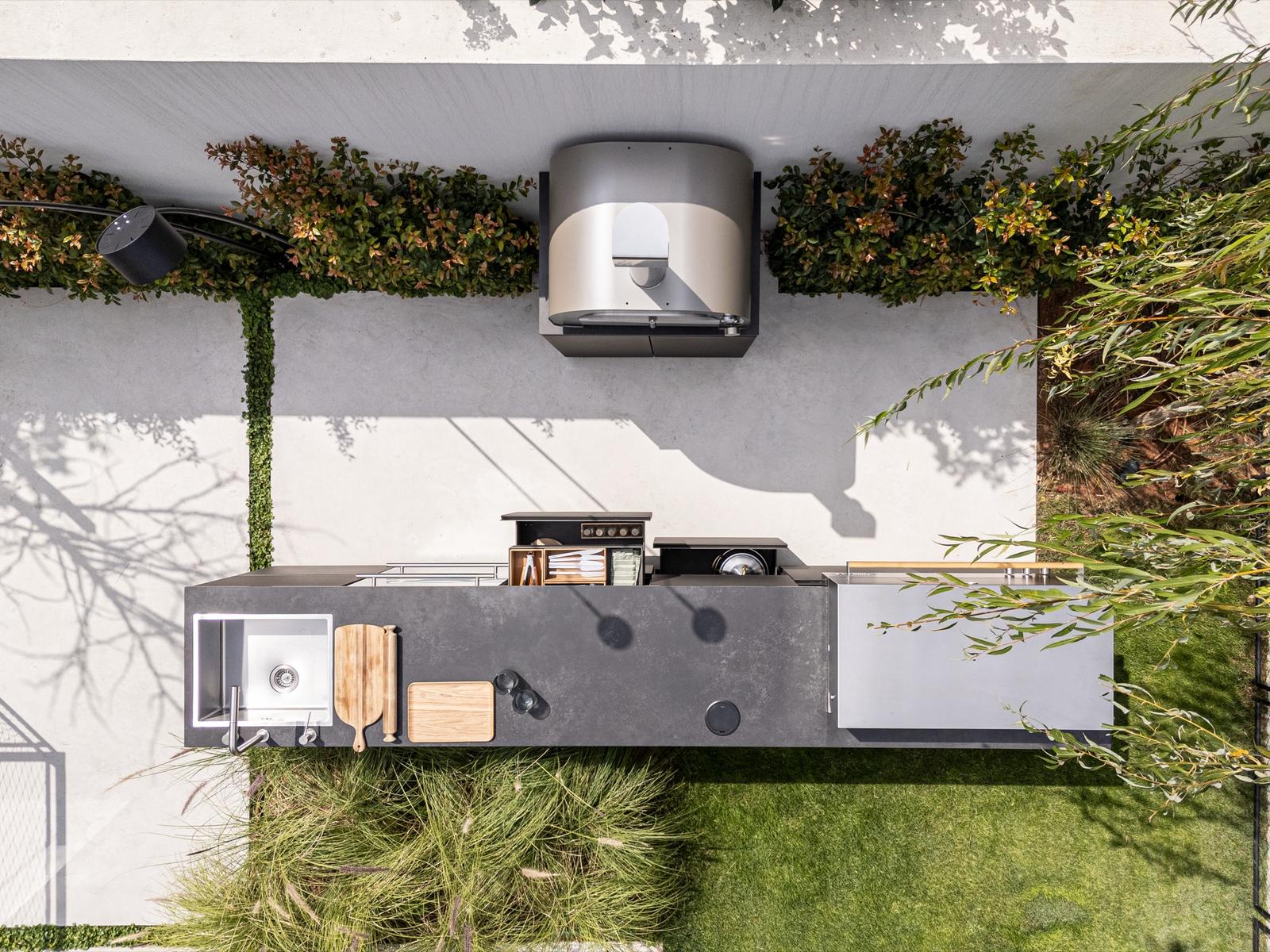
Four countertop families, all chosen for outdoor service: porcelain and ultra-compact slabs from Italy and Spain — non-porous, UV-stable and indifferent to frost; granite — igneous stone that has already survived a few ice ages; hand-cast concrete — architectural and honest, developing a soft patina over time; and 316 stainless steel — the professional kitchen's surface, outdoors. Which belongs on your composition depends on how you cook and how the kitchen sits in the landscape — the choice is made at consultation, with samples in hand. Designers and builders can request the full specification set through the trade program.
Stainless steel or aluminum?
Both last outdoors in Canada when the grade is right, but they suit different jobs. Aluminum is light and has no iron to rust, so it makes the better cabinet body. Stainless steel is harder and handles heat, so it makes the better worktop, sink and hardware. That is how Capo Cuòco uses them.
| What matters | Marine-grade aluminum | 316 stainless steel |
|---|---|---|
| Weight | About a third of steel's, for the same thickness of metal. It counts on a deck or a roof. | About three times heavier. |
| Salt and pool water | Cannot rust: a thin oxide layer forms on its own and protects the surface. | Grade 316 adds molybdenum, which resists the chlorides in road salt and pool water. The cheaper grade 304 can tea-stain. |
| Surface | Carries a powder-coat colour. A scratch exposes aluminum, which still cannot rust. | Hard and heat-tolerant. Brushed finishes show water marks. |
| Care | Water and mild soap. | Warm water and mild soap, then a clean rinse, about as often as you wash your windows. |
| In a Capo Cuòco kitchen | The body of every UNICA and STRATO kitchen. | Worktops, sinks and exposed hardware. |
Weight and oxide layer — Source: AZoM, "What Are the Properties of Aluminum?", https://www.azom.com/article.aspx?ArticleID=1446 · Chlorides and molybdenum — Source: Specialty Steel Industry of North America, "Pitting and Crevice Corrosion", https://www.ssina.com/education/corrosion/pitting-and-crevice-corrosion/ · Grade 316 against 304, and washing — Source: Australian Stainless Steel Development Association, Technical FAQ 6, "Preventing Coastal Corrosion (Tea Staining)", https://www.assda.asn.au/publications/technical-faqs/preventing-coastal-corrosion-tea-staining (all read 29 September 2026)
Weatherproof outdoor cabinets
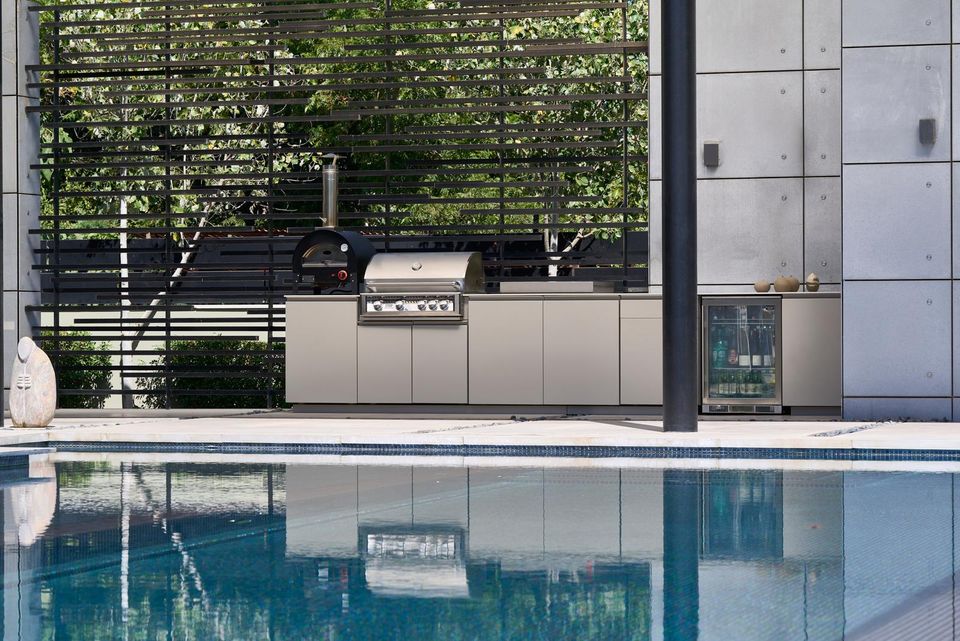
The best outdoor kitchen cabinets for an Ontario backyard have a body that water and freeze-thaw cannot damage. Capo Cuòco Canada makes its cabinets to order in marine-grade powder-coated aluminum, with 316 stainless steel where corrosion is not an option, as modular outdoor kitchens installed across Toronto and the GTA. Doors let in some rain and snowmelt, however well they fit, so what makes an outdoor cabinet weatherproof is a body that water cannot damage. Particleboard, MDF and plywood swell and come apart once wet. Plain steel rusts wherever its coating chips. Marine-grade aluminum, 316 stainless steel and HDPE plastic do not, and the hinges, slides and screws should be stainless steel for the same reason. How nine brands sold in Ontario build theirs is in outdoor kitchen brands compared.
Asked before every project
What type of countertop is best for an outdoor kitchen?
For Canadian outdoor duty, porcelain and ultra-compact slabs lead: non-porous, UV-stable and indifferent to frost. Granite is the proven natural alternative; hand-cast concrete brings living patina; 316 stainless steel suits the professional idiom. Interior favourites like marble and resin-bound quartz stay indoors — pores and resins fail in freeze-thaw.
Can an outdoor kitchen be made of wood?
As an accent, beautifully; as the structure, at your peril. Timber moves with humidity and asks for yearly care, so an all-wood outdoor kitchen ages fast in freeze-thaw. STRATO resolves the wooden outdoor kitchen honestly: timber-slat fronts carry the warmth, while a marine-grade aluminum body does the structural work.
Can you use regular kitchen cabinets outdoors?
No. Most indoor cabinet boxes are particleboard, MDF or plywood, which swell and come apart once they get wet, and a Canadian winter adds freeze-thaw on top. An outdoor kitchen needs a body that water cannot damage: marine-grade aluminum, 316 stainless steel or HDPE.